
Sciton® JOULE® · Resurfacing & multi-application platform · United Kingdom
Comparing Fotona® lasers? See what one Sciton platform covers.
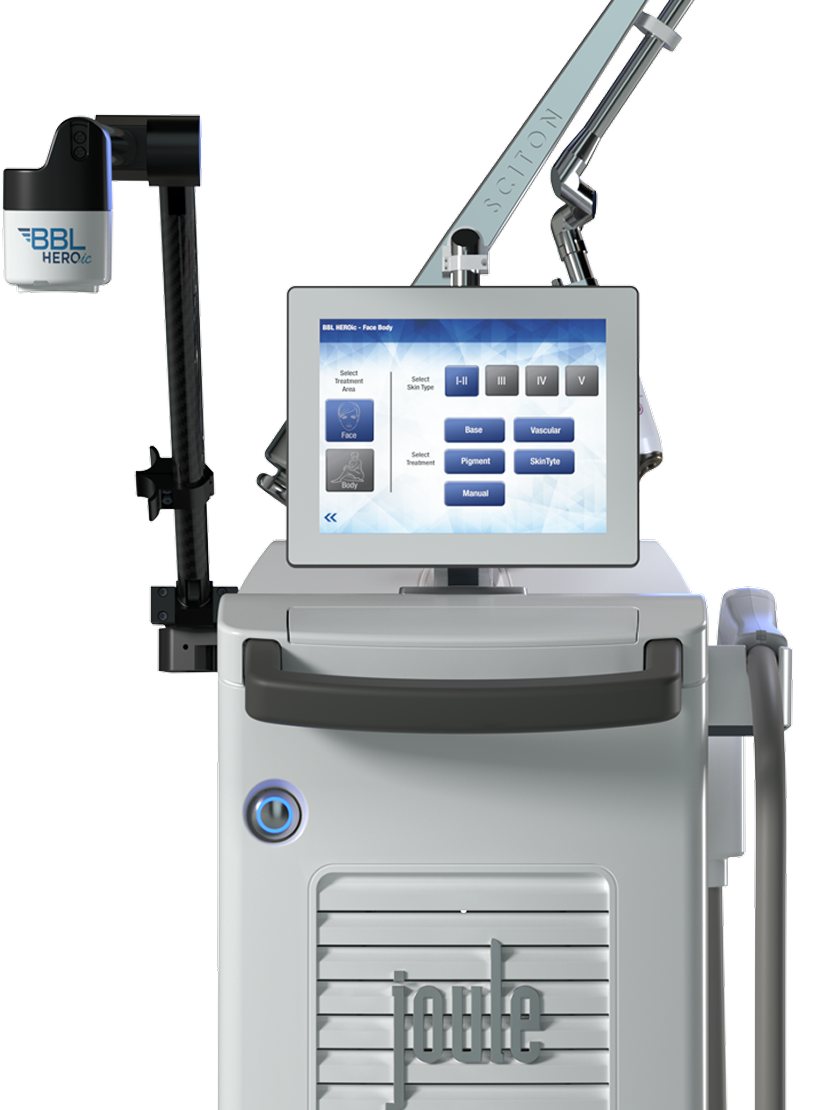
Hybrid fractional resurfacing, Er:YAG depth control to 1,500 microns, pigmentation, vascular and hair removal — configured on one chassis rather than assembled from protocols. Sold, installed, trained and serviced in the UK.
Book a Comparison Demo Request Pricing
Sciton is not affiliated with, and does not represent, Fotona. Fotona is a trade mark of its owner and is used here only to identify the systems a buyer may be comparing.
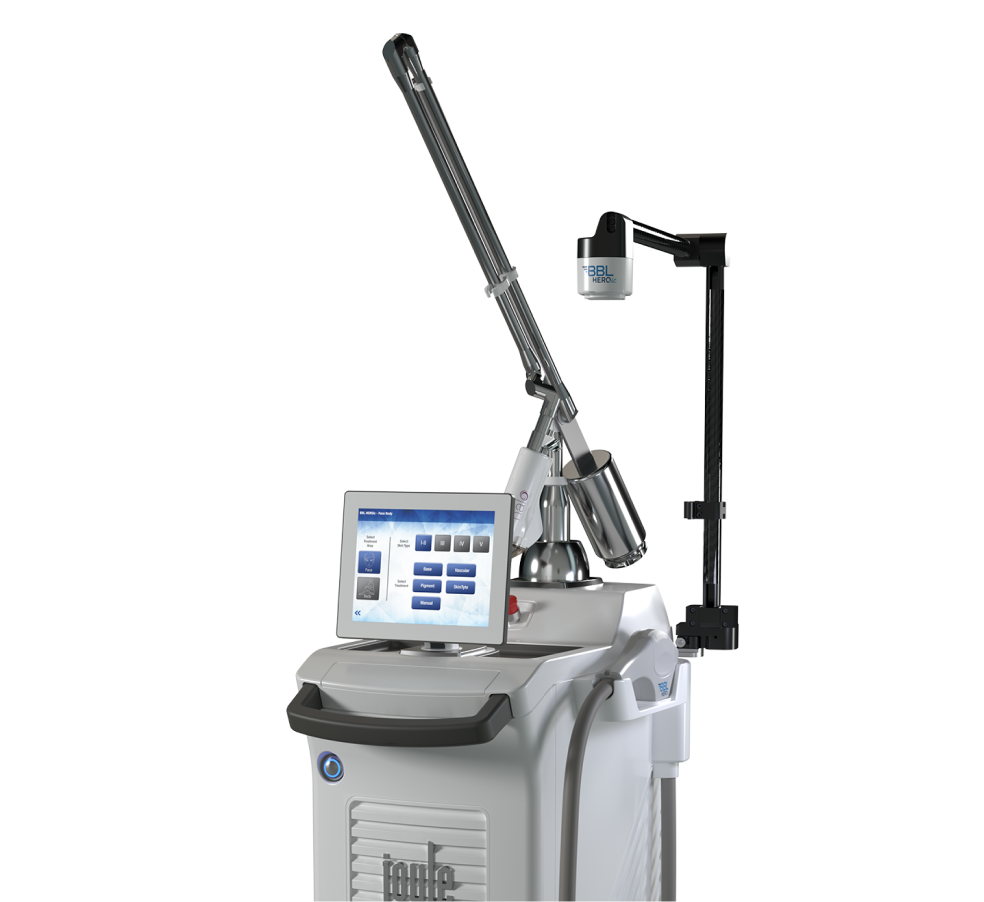
If you are comparing Fotona
Compare the specifications, not the protocol names.
Named treatment protocols sell well in a consultation. They are a poor basis for a £30,000 to £200,000 capital decision, because they describe a sequence rather than what the hardware can do.
So this page does not tell you what another manufacturer's system does. We do not publish their specifications and we will not assert them — ask them directly, in writing, and hold their answers next to ours. What we give you is Sciton's own published numbers: wavelengths, ablation depth, coagulation control, spot sizes, skin types and treatment counts.
Those are the figures that decide whether a resurfacing device covers a light maintenance pass, a full hybrid treatment and a deep scar revision — or only one of the three.
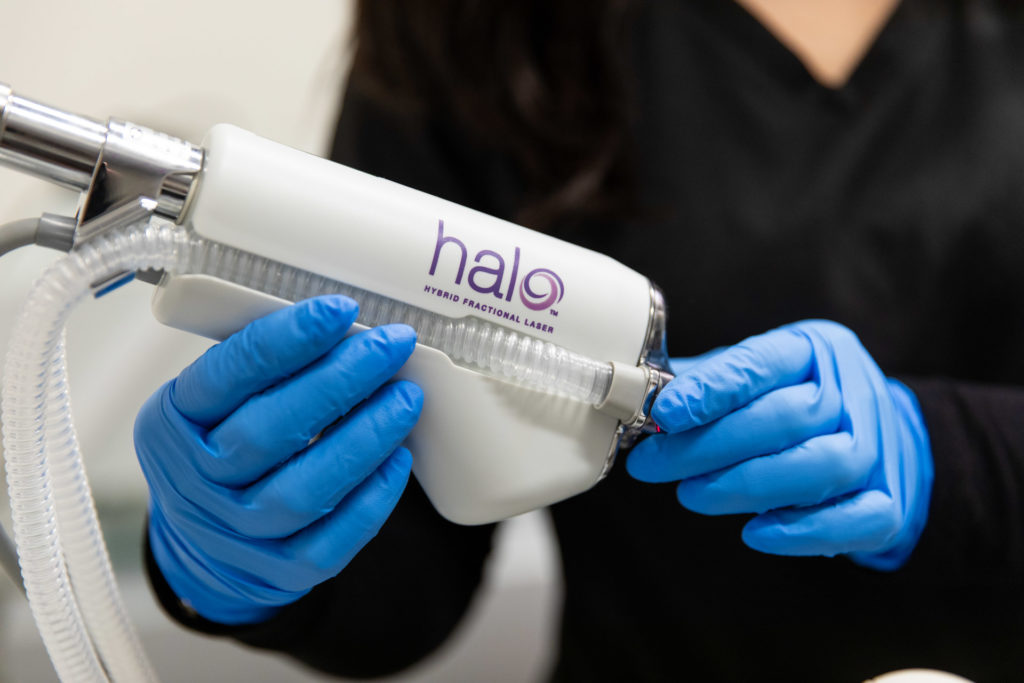
Two wavelengths, one pass
Ablative and non-ablative, delivered together.
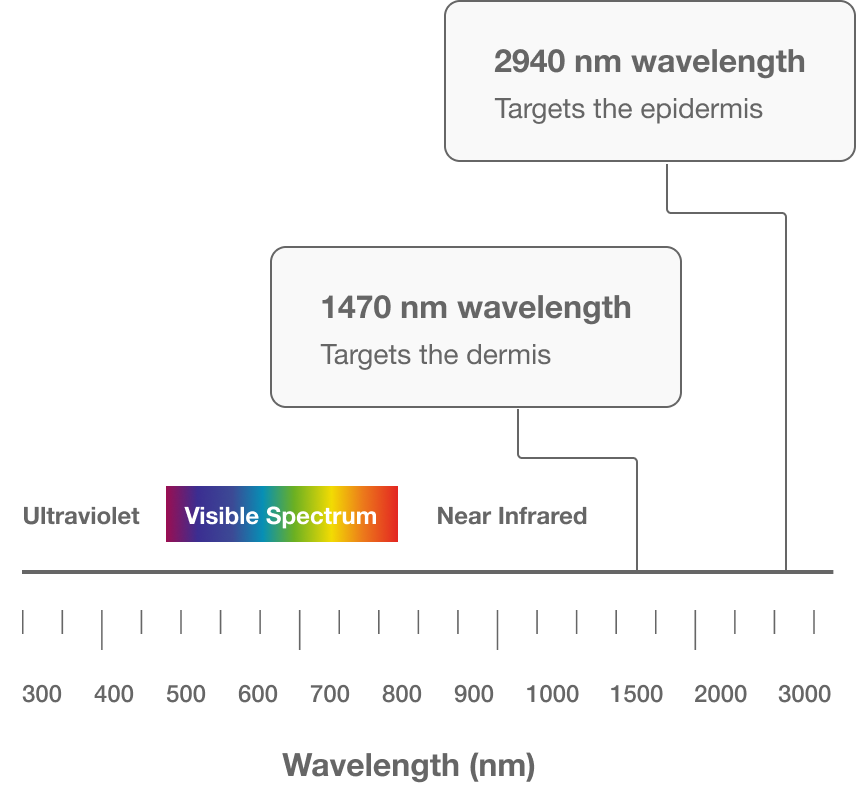
HALO® puts a 2940 nm ablative wavelength, tunable from 20 to 100 microns, and a 1470 nm non-ablative wavelength working the dermis at 250 to 700 microns, into the same pass. Tone, texture, pigment and the appearance of pores are treated in one appointment rather than across two machines or two visits.
Beam placement is set at 15, 7 or 4 mm, on and off the face, across Fitzpatrick skin types I–VI. Most patients need one to two treatments, and Sciton specifies normal activity resuming within 24 hours — which is what makes resurfacing bookable for working adults rather than a conversation that stalls at the downtime question.
How to read a resurfacing spec sheet
Absorption, depth and coagulation are the three numbers that matter.
Resurfacing depends on how efficiently a wavelength is absorbed by water in the skin. Erbium at 2940 nm sits on the absorption peak, which is why Sciton has built its resurfacing platforms around erbium and does not build a CO2 laser at all.
The second number is depth. ProFractional® ablates from 25 to 1,500 microns at a 25 or 430 micron spot, so the same handpiece covers a light maintenance pass and a deep scar revision.
The third is whether coagulation can be set independently of depth. On ProFractional it can — you decide how much thermal effect comes with the ablation, rather than accepting whatever the wavelength imposes. When you compare systems, ask for all three, in those terms.
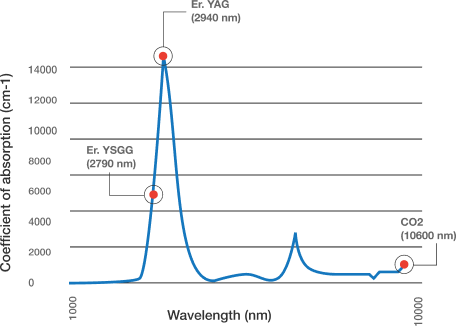
Water absorption by wavelength. Chart published by Sciton.
What to compare
Six questions to put to every manufacturer on your list.
Including us. If a supplier answers a specification question with a protocol name, ask again.
-
01
Which wavelengths, and what does each one do?
Ask for the wavelengths in nanometres and the tissue each is absorbed by — not the name of the treatment they are sold as.
-
02
What is the ablation depth range?
A device that only reaches the epidermis cannot take on scarring. One that only goes deep is wasted on a maintenance pass. Ask for the microns at both ends.
-
03
Can coagulation be set independently of depth?
This is what decides how much downtime comes with a given result. If the two are locked together, the patient pays for it in recovery days.
-
04
Which skin types, and at what settings?
A UK patient list is not Fitzpatrick I–III. If darker skin types come with caveats, you need those caveats before you buy, not after.
-
05
What else can the chassis do?
Resurfacing is one line on the price list. Ask what pigmentation, vascular and hair removal cost to add, and whether they need a second system.
-
06
Who installs, trains and services it here?
Ask where the engineer is based, what the response time is, where parts ship from, and what a week of downtime does to your treatment diary.
Side by side
Sciton's column is Sciton's own published specification. The other column is left as the question to put to whoever else you are considering — we would rather you got that answer from them, in writing, than took our version of it. Bring both to the demo.
| Criterion |
 Sciton JOULE®
|
The competitor |
|---|---|---|
| Resurfacing wavelengths | 2940 nm ablative and 1470 nm non-ablative, delivered in one pass on HALO® | Which wavelengths resurface, and are they delivered together or in separate passes? |
| Depth control | 20–100 µm epidermal and 250–700 µm dermal on HALO; 25–1,500 µm ablation on ProFractional® | What is the depth range in microns, at the shallow end as well as the deep end? |
| Coagulation | Set independently of ablation depth on ProFractional | Is coagulation adjustable separately, or fixed by the wavelength? |
| Spot / beam size | 15, 7 or 4 mm on HALO; 25 or 430 µm on ProFractional | Which spot sizes are supplied as standard, and which are chargeable extras? |
| Skin types | HALO treats Fitzpatrick I–VI; ProFractional treats all skin types, face and body | Which Fitzpatrick types are on label, and what changes in the protocol for IV–VI? |
| Downtime | HALO patients return to normal activity within 24 hours | What downtime does the manufacturer publish for a full-strength treatment? |
| Beyond resurfacing | Pigmentation, vascular, hair removal, acne and skin tightening as modules on the same chassis — 11 in total | What else runs from this chassis, and what does the next indication cost to add? |
| Delivery in the UK | Sold, installed, trained and serviced by Sciton UK | Who installs and services it, where are the engineers based, and where do parts ship from? |
| Longevity | 95% of Sciton lasers are still in use today | How many systems of this generation are still in clinical use, and what is the resale market like? |
Sciton column: specifications and figures as published by Sciton. Individual clinic performance varies with case mix, pricing and utilisation. This table does not state, and Sciton does not publish, any other manufacturer's specifications — the right-hand column is a question for you to put to them. All trade marks are the property of their respective owners.
Modules & treatment
Start with resurfacing. Add the rest of the consultation list when the book justifies it.
-
 Book a Demo
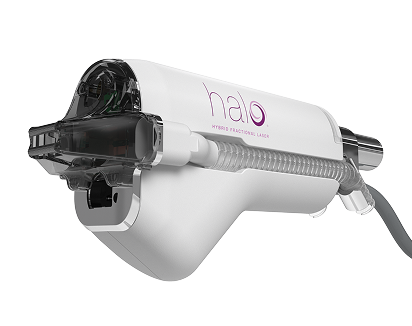
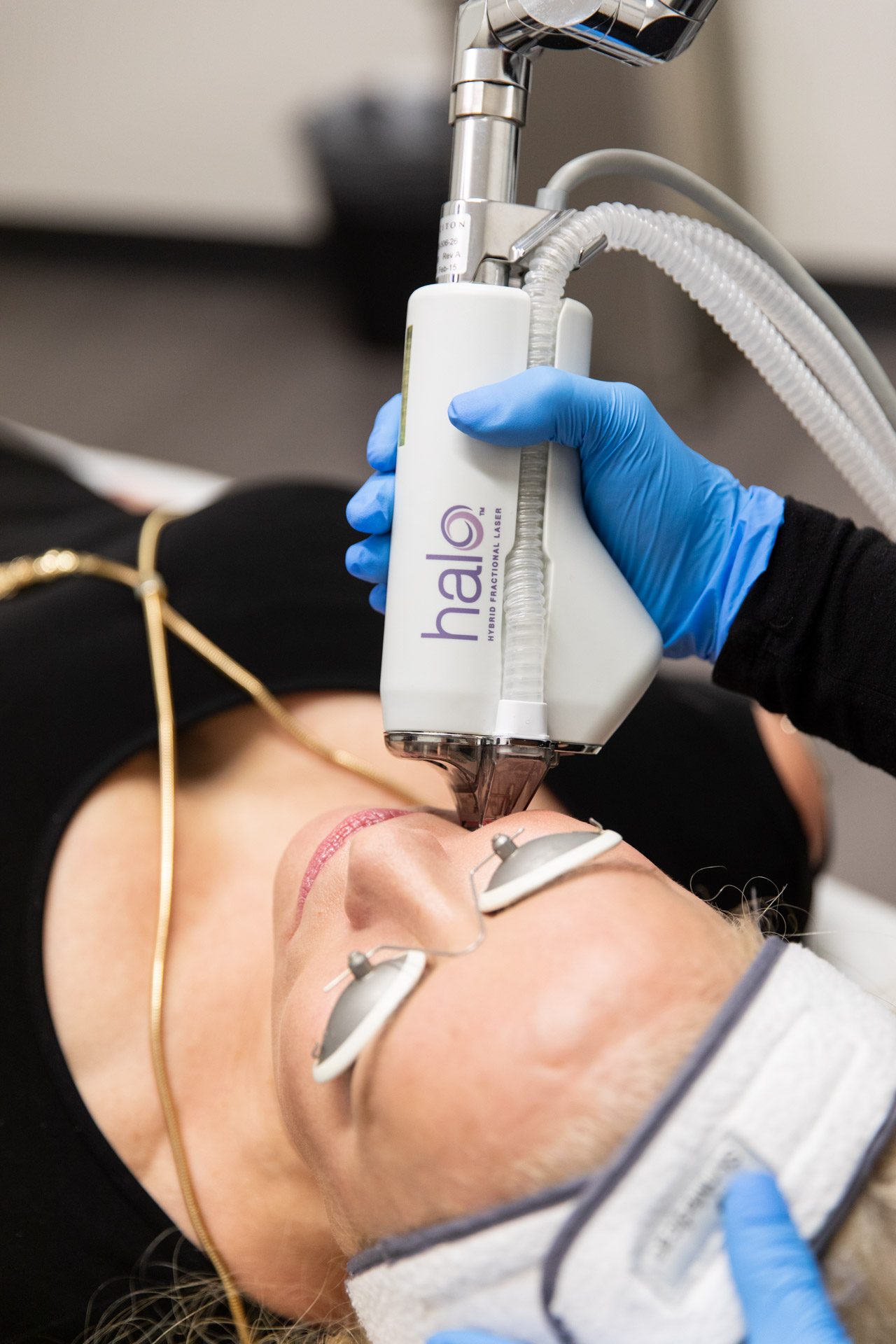
HALO®
The hybrid fractional laser: 2940 nm ablative and 1470 nm non-ablative in a single pass, for tone, texture, pigment and pore appearance. The everyday resurfacing workhorse.
-
 Book a Demo
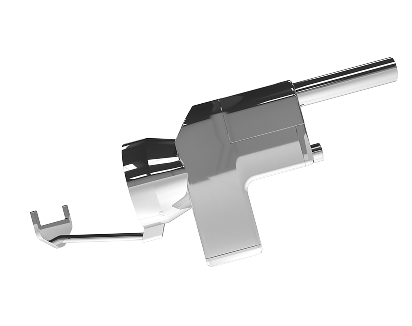
ProFractional®
Er:YAG ablation to 1,500 microns with coagulation set independently of depth. The handpiece for acne scarring, surgical scars and advanced photodamage.
-
 Book a Demo
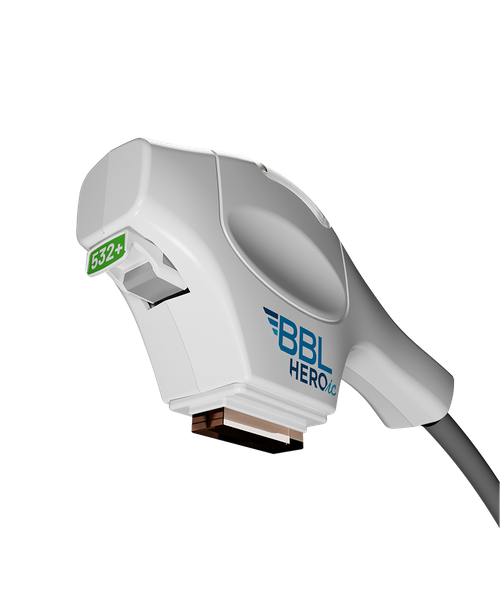
BBL® HEROic™
Automated pulse placement for pigmentation, vascular concerns, acne and hair reduction. Full-body areas in minutes, delegatable to staff of any experience level.
-
 Book a Demo
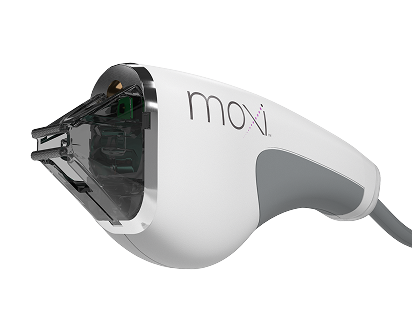
MOXI™
Gentle 1927 nm fractional treatment for younger and prejuvenation patients. Available on the mJOULE™ platform — ask about the right fit for your clinic.
The commercial case
Resurfacing is the treatment patients save up for.
Skin resurfacing sits at the top of the aesthetics price list and is bought by patients who have already tried the cheaper answers. It is one of the few treatments where a clinic competes on the result rather than on the price of the session.
What decides whether that demand turns into margin is how much of it one device can serve — and what the second and third indication cost to add once the resurfacing book is full.
-
Two wavelengths in one pass — 2940 nm ablative and 1470 nm non-ablative on HALO
-
ProFractional ablation depth, tunable down to 25 microns for lighter work
-
Highly customisable, with 11 modules to choose from

Specifications and figures as published by Sciton. Individual clinic performance varies with case mix, pricing and utilisation.
Switching platform
Already own a resurfacing laser? Here is what changing actually involves.
Most of the clinics we speak to are not buying their first laser. They are deciding what to do at the end of a warranty, a lease or a service contract — and the honest answer is that the disruption is usually smaller than the spreadsheet suggests.
Your UK specialist will work through the whole of it before you commit: what your existing system is worth and whether it can be part-exchanged, how the install fits around your treatment diary, how long your team needs on training before they are treating unsupervised, what the service contract covers, and which finance or lease structure suits the way the clinic is funded.
Who may operate a Class IV laser in your clinic, and under what supervision, is set by your registration and your local authority licensing. That gets worked through alongside the training plan rather than after it.

See it on the
cases you
turn away
A UK specialist will bring the platform to your clinic, treat the skin types and the concerns your consultations actually stall on, and go through the six questions with you — including the ones that are awkward for us.
Clinical results
The outcomes that justify the price on the list.
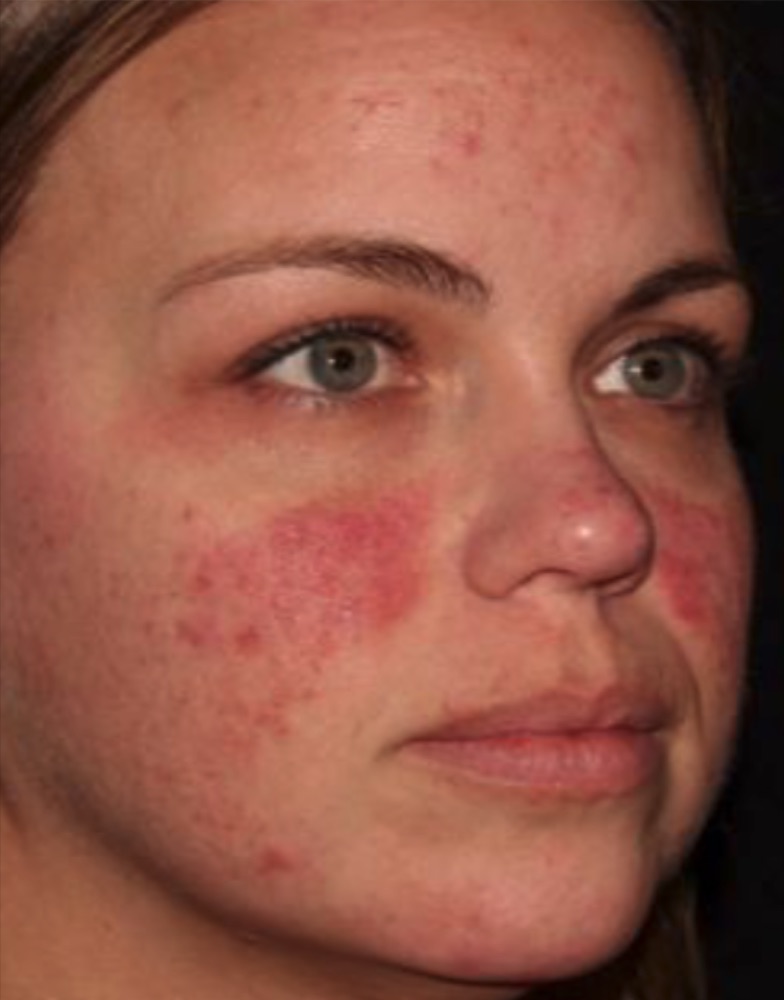
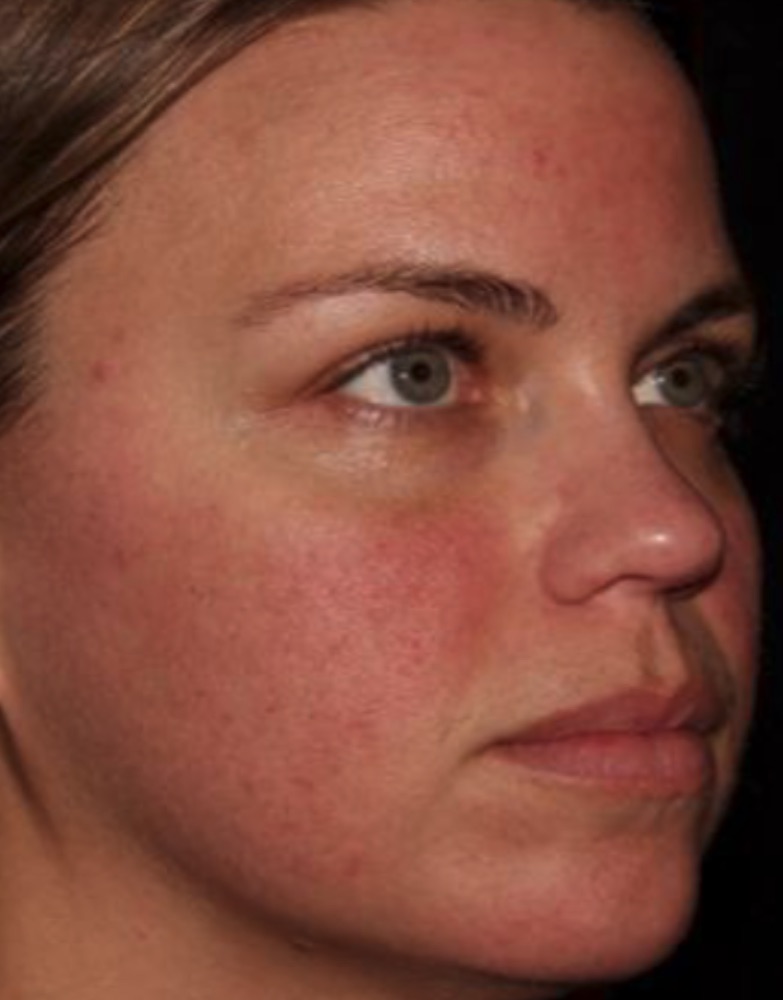
Courtesy of Diane Duncan, MD, FACS.
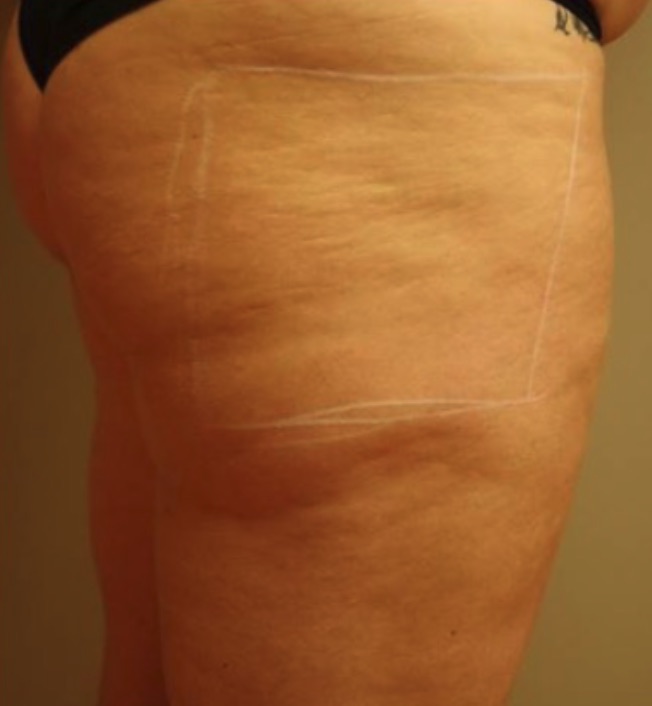
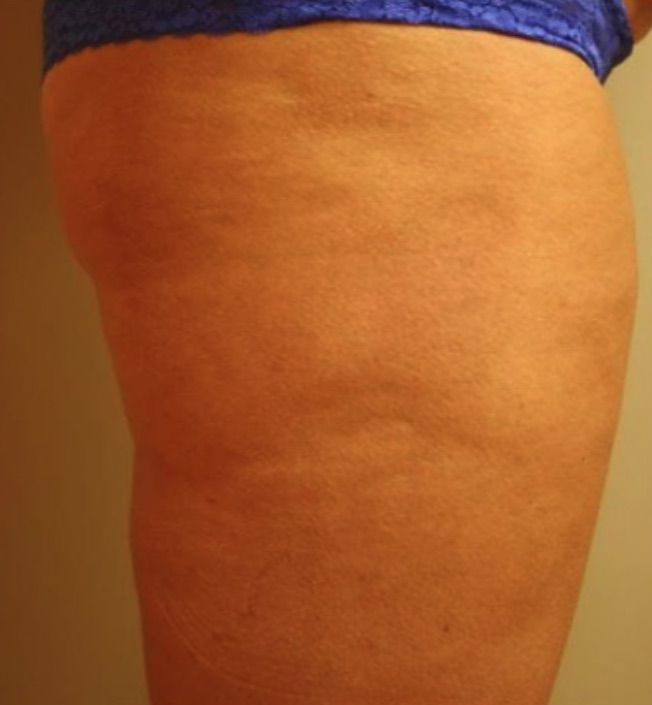
Courtesy of Andrew Campbell, MD.
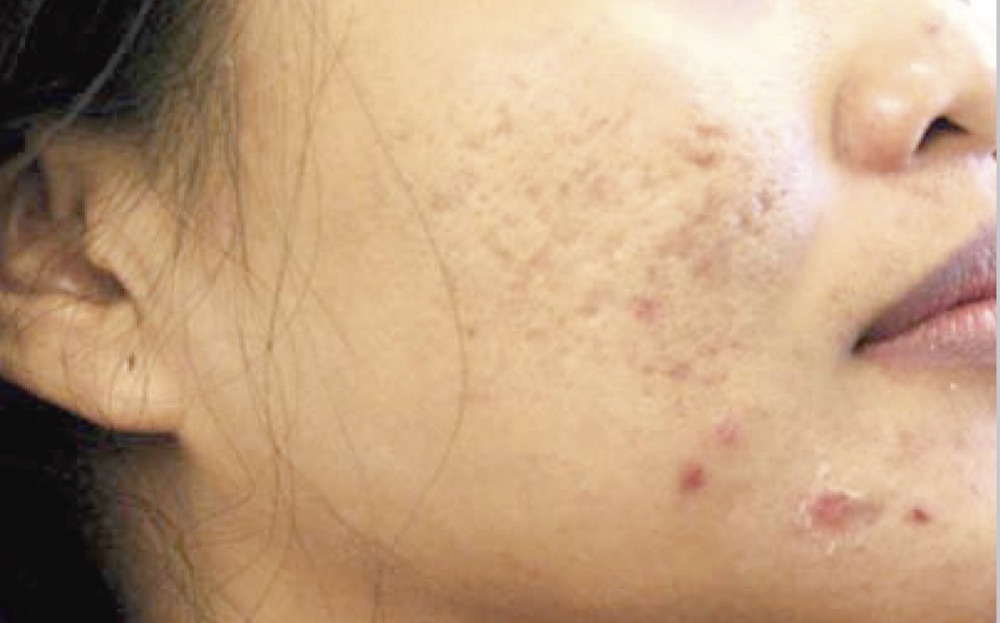
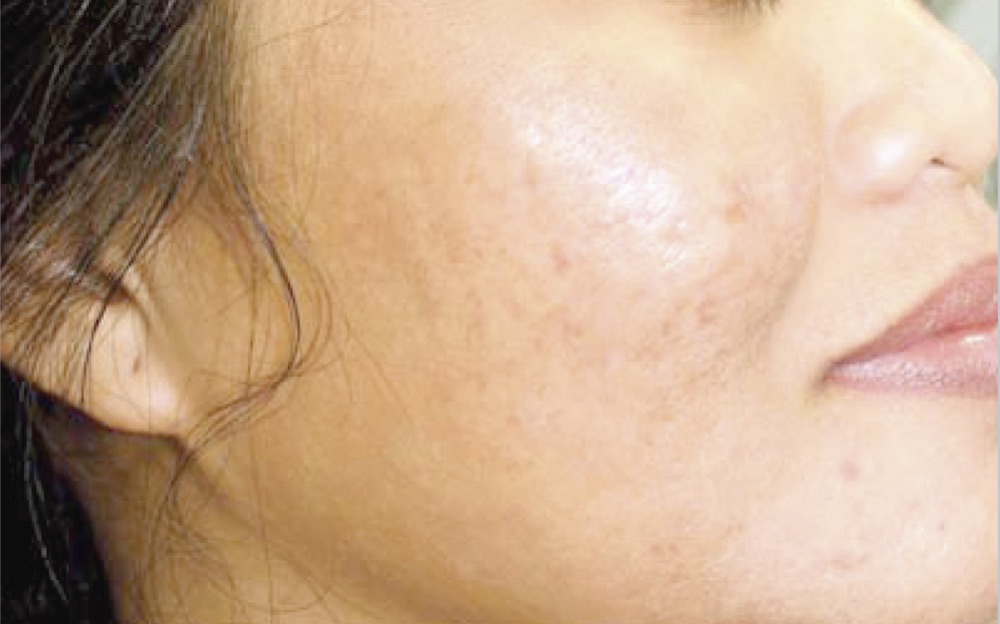
Courtesy of Todd Bessinger, MD, PhD.
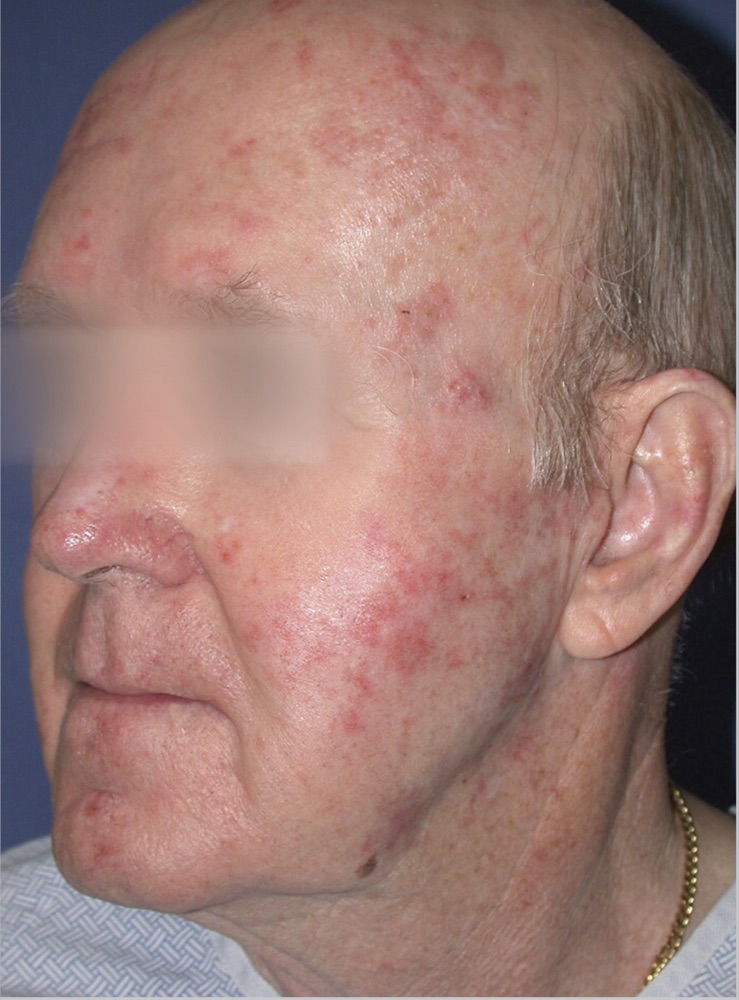
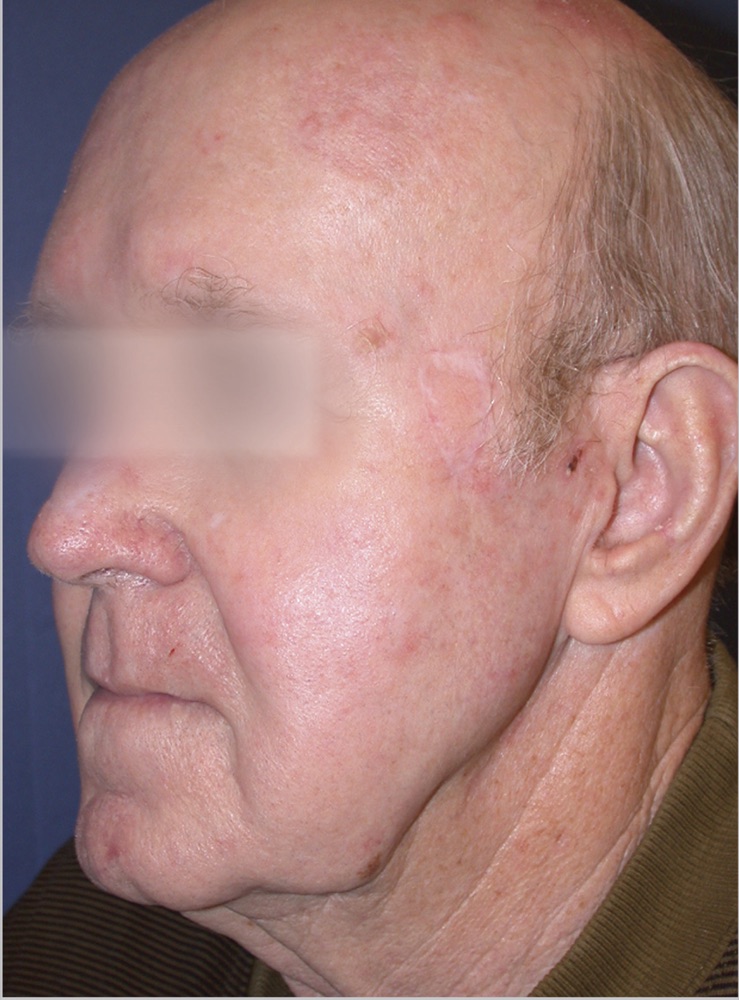
Courtesy of R. James Koch, MD.
Images published by Sciton. Individual results vary.
From UK clinic owners
Clinics that compared. Then switched.
-
The Sciton laser is the best laser I ever owned… paid for itself many times over.
Allan E. Wulc, MD, FACS
Plymouth Meeting, PA
-
The Contour TRL is my magic wand. This laser has completely changed patients’ lives.
Denise Baker, MD
Bradenton, FL
-
Sciton BBL is my most popular choice for skin rejuvenation — fast, cost effective, efficacious.
Patrick Bitter, Jr., MD
Los Gatos, CA
Frequently asked questions
Book a live demonstration
See it on your own patients. Compare it properly.
Tell us what you are comparing and what your resurfacing consultations look like today — the concerns you take on, the ones you refer out, and whether you already run a JOULE. A UK specialist will bring the platform to your clinic and come back the same working day with a configuration, an indicative price and finance options.
Prefer to talk first?
+44 02033 181108