
Sciton® HALO® & ProFractional® · Fractional Skin Resurfacing · United Kingdom
Two resurfacing lasers, one platform. Ablative and non-ablative, on your terms.
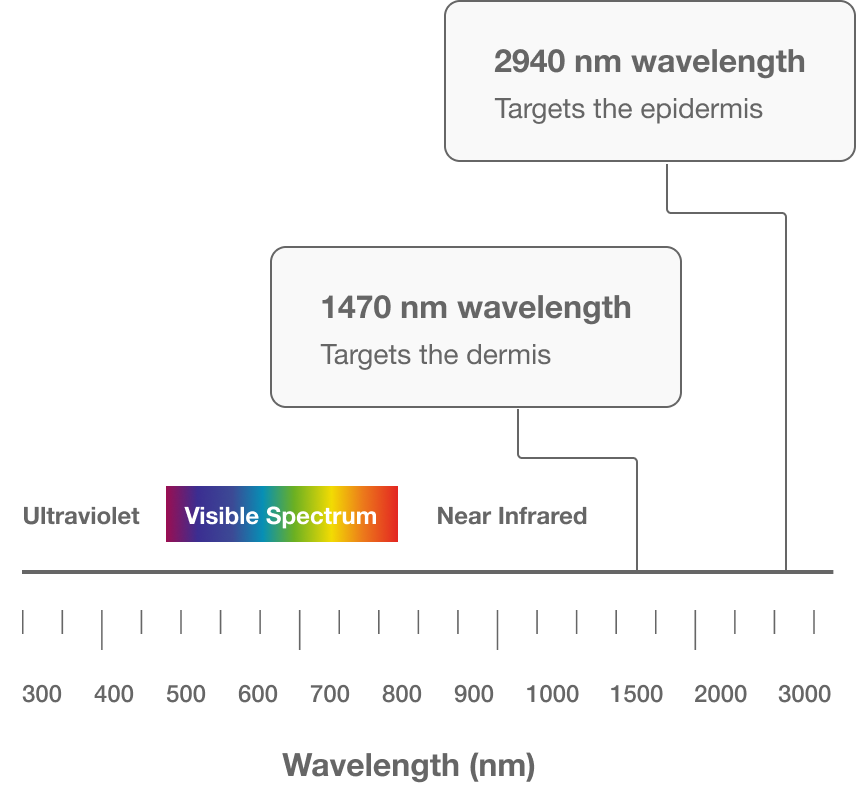
HALO delivers a 2940 nm ablative and a 1470 nm non-ablative wavelength in the same pass. ProFractional takes Er:YAG from 25 to 1,500 microns for the deepest concerns. Both run on JOULE, and both are sold, installed and supported in the UK.
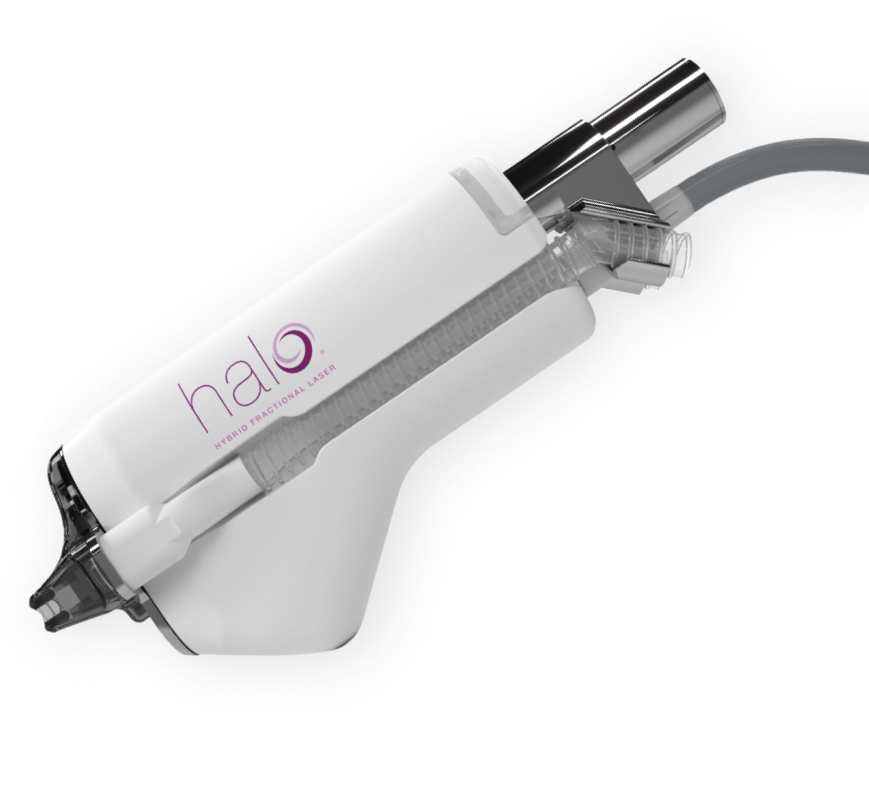
HALO® — the hybrid
Ablative and non-ablative, delivered in the same pass.
Most resurfacing devices make you choose between the result and the downtime. HALO is built so you do not have to explain that trade-off to a patient.
A 2940 nm ablative wavelength resurfaces the epidermis, tunable from 20 to 100 microns. A 1470 nm non-ablative wavelength works the dermis at 250 to 700 microns. They are delivered together, so tone, texture, pigment and the appearance of pores are treated in one appointment rather than across two different machines.
Beam placement is set at 15, 7 or 4 mm, on and off the face, across Fitzpatrick skin types I–VI. Most patients need one to two treatments, with maintenance once or twice a year. Sciton specifies a high-grade topical anaesthetic rather than nerve blocks, and patients returning to normal activity within 24 hours — which is what makes it bookable for working adults.
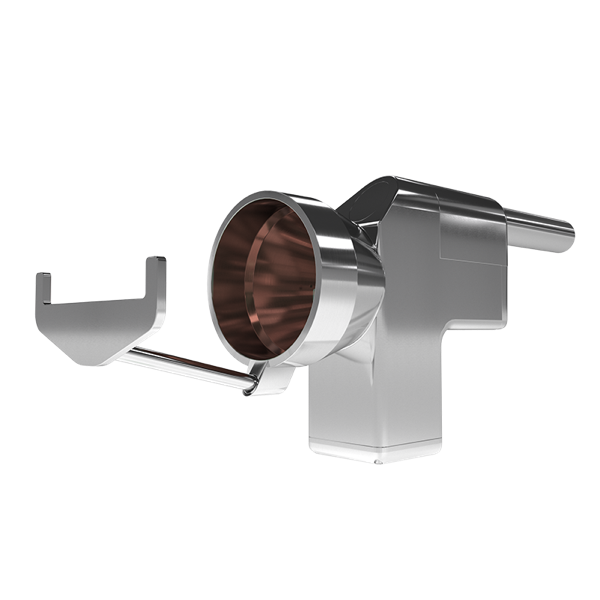
ProFractional® — the depth
Er:YAG depth control, from 25 to 1,500 microns.
Where HALO covers the everyday resurfacing book, ProFractional is the handpiece you reach for when the concern is structural — deep acne scarring, surgical scars, advanced photodamage.
ProFractional is an erbium:YAG precision scanner. Rather than removing the whole surface, it ablates narrow-diameter channels into the skin and leaves the tissue between them intact to drive healing. Ablation depth is set anywhere from 25 to 1,500 microns, at a 25 or 430 micron spot, and coagulation is dialled in independently of depth — so the same handpiece covers a light maintenance pass and a deep scar revision.
Energy is placed at random across the treatment area, which is what keeps a deep treatment tolerable. All skin types, face and body. Most patients need one to three treatments, then annual maintenance.
Erbium vs CO2
If you are shopping for a CO2 machine, this is the comparison to make.
Sciton does not build a CO2 laser, and that is a deliberate engineering position rather than a gap in the range. Resurfacing depends on how efficiently a wavelength is absorbed by water in the skin, and erbium at 2940 nm sits on the absorption peak. CO2 at 10,600 nm sits well below it.
The practical consequence is what your patients feel afterwards. Lower absorption means more of the energy is conducted into the surrounding tissue as heat rather than doing the ablation you asked for. Sciton's erbium platforms ablate efficiently with very little thermal conduction, which is what allows deep dermal work at short downtime.
It also changes the conversation at the consultation. A resurfacing device your patients can schedule around a working week gets booked more often than one that costs them a fortnight.
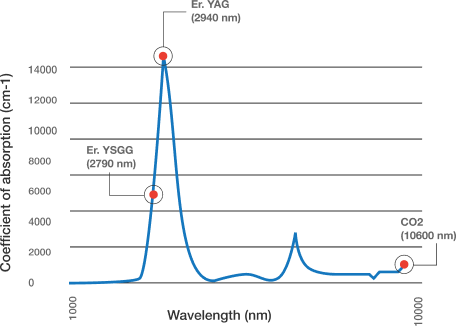
Water absorption by wavelength. Chart published by Sciton.
The resurfacing range
Two ways to resurface. Add the second when the book justifies it.
-
 Book a Demo
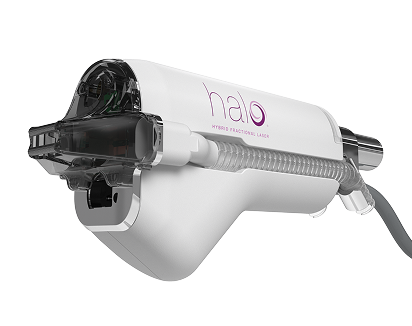
HALO®
The hybrid fractional laser: 2940 nm ablative and 1470 nm non-ablative in a single pass, for tone, texture, pigment and pore appearance. The everyday resurfacing workhorse, and the one patients ask for by name.
-
 Book a Demo
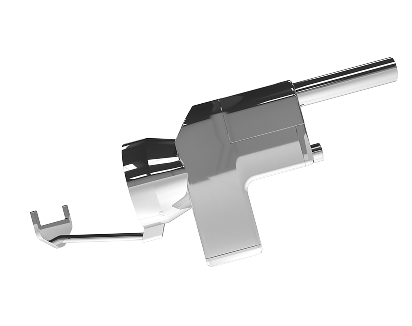
ProFractional®
Er:YAG ablation to 1,500 microns with coagulation set independently of depth. This is the handpiece for acne scarring, surgical scars and the cases a lighter device will not resolve.
The commercial case
Resurfacing is the treatment patients save up for.
Skin resurfacing sits at the top of the aesthetics price list, and it is bought by patients who have already tried the cheaper answers. That makes it one of the few treatments where a clinic competes on the result rather than on the price of the session.
What decides whether that demand turns into margin is how much of it one device can serve. A system that covers a light maintenance pass, a full hybrid resurfacing and a deep scar revision earns from the whole consultation list rather than one slice of it — on training, floor space and a service contract you have already paid for.
-
Two wavelengths in one pass — 2940 nm ablative and 1470 nm non-ablative on HALO
-
ProFractional ablation depth, tunable down to 25 microns for lighter work
-
HALO patients return to normal activity within 24 hours of treatment
Specifications as published by Sciton. Individual clinic performance varies with case mix, pricing and utilisation.
In the treatment room
Predictable enough to put on the rota.
A resurfacing laser that only the practice owner is confident running is a bottleneck. Sciton builds HALO around consistent, repeatable settings and ships off-face software templates, so a trained team member can deliver the same treatment on a Tuesday afternoon as you deliver on a Saturday morning.
Both handpieces run on the JOULE platform, which means a second resurfacing modality is an addition to a chassis you already own rather than a second machine, a second service contract and a second footprint in a room you are already short of.
Who may operate a Class IV laser in your clinic, and under what supervision, is set by your registration and your local authority licensing. Your UK specialist will work through both with you alongside the training plan.
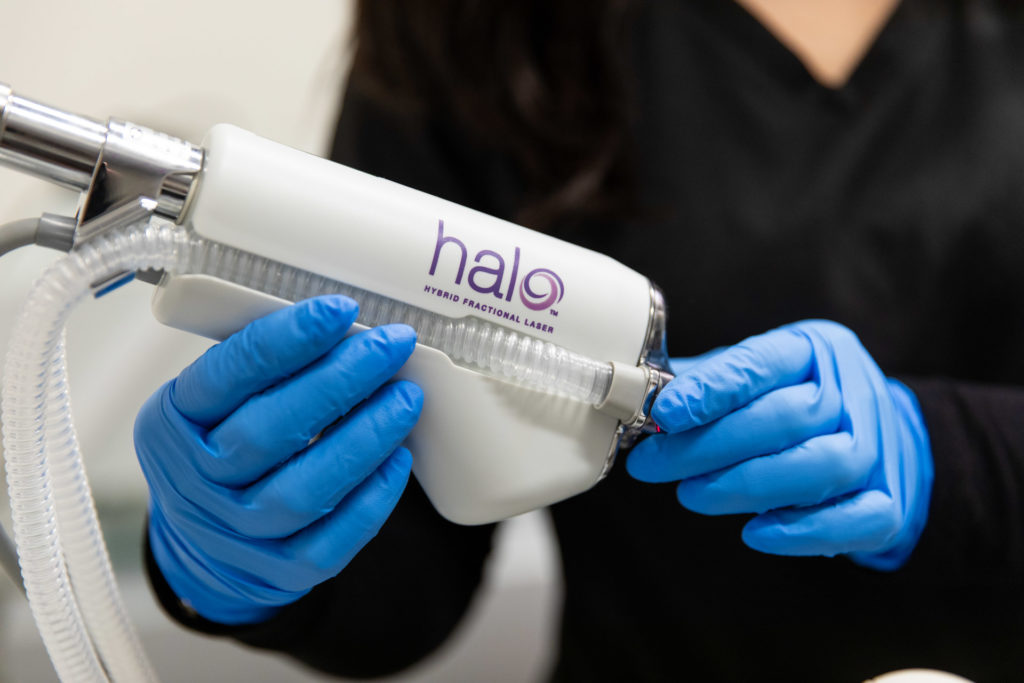
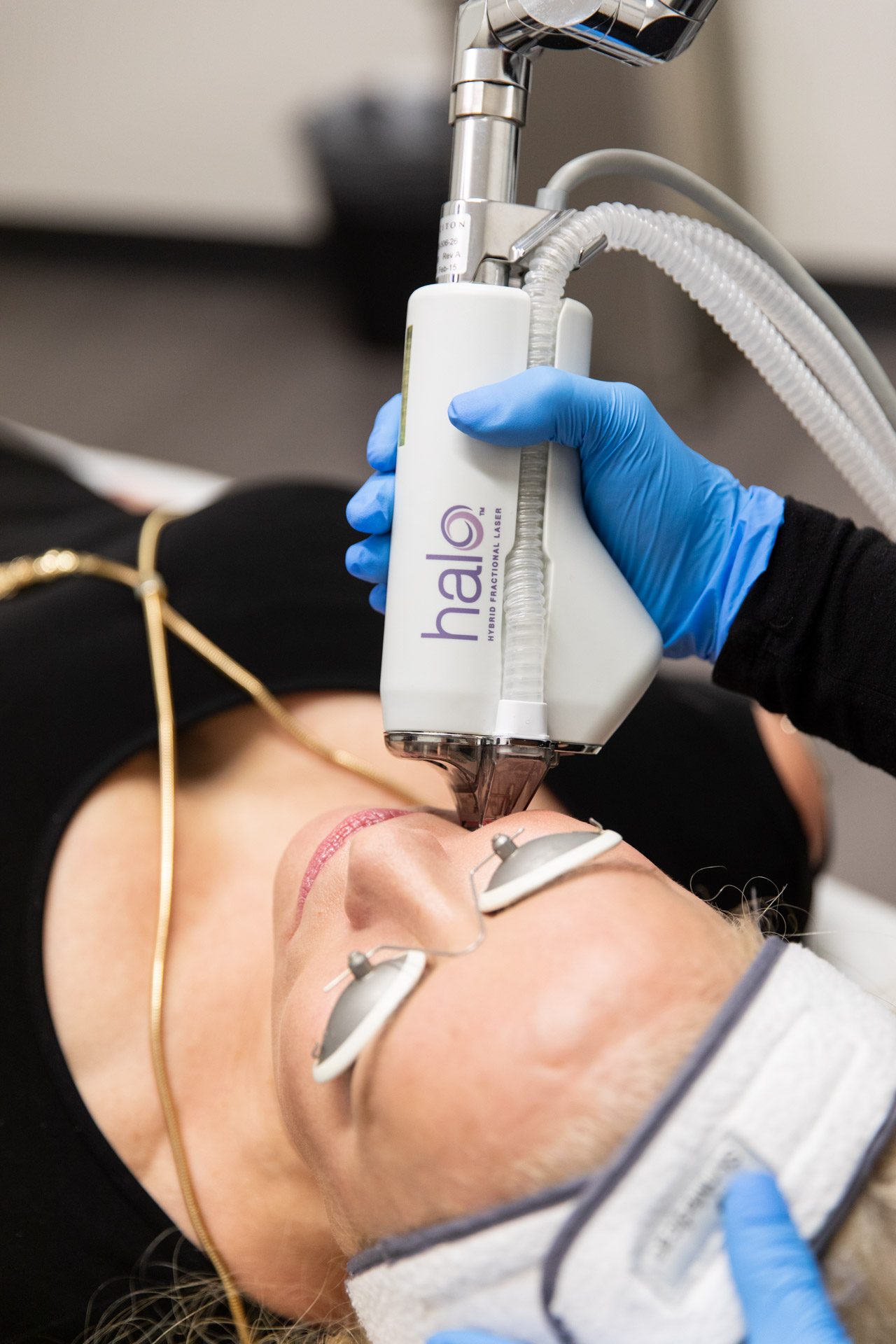
See it on the
cases you turn away
A UK specialist will bring the platform to your clinic, treat the skin types and the concerns your consultations actually stall on, and work through settings, downtime and the commercial case with you.
Compare the two resurfacing systems
Most clinics buy one first and add the second later. HALO is the broader of the two — the hybrid that covers tone, texture and pigment with a downtime patients will accept. ProFractional goes deeper than HALO for structural concerns. They are handpieces on the same platform, so this is a sequencing decision rather than an either/or.
| Specification |
HALO®
|
ProFractional®
|
|---|---|---|
| Technology | Hybrid fractional laser — ablative and non-ablative together | Er:YAG fractional precision scanner — ablative |
| Wavelengths | 2940 nm and 1470 nm, delivered in one pass | 2940 nm |
| Depth control | 20–100 µm epidermal, 250–700 µm dermal | 25–1,500 µm ablation, coagulation set independently |
| Spot / beam size | 15 mm, 7 mm or 4 mm | 25 µm or 430 µm |
| Typical course | 1–2 treatments, maintenance 1–2× a year | 1–3 treatments, then annual maintenance |
| Downtime | Normal activity within 24 hours | Short downtime for the depth achieved |
| Skin types | I–VI, on and off the face | All skin types, face and body |
| Platform | Handpiece on JOULE® | Handpiece on JOULE® |
| Best fit | Clinics building a high-volume resurfacing book patients can schedule around work | Clinics taking on scarring and advanced photodamage that lighter devices leave on the table |
Specifications as published by Sciton. Confirm the final configuration and installation requirements with your UK specialist.
From UK clinic owners
Bought for the results. Kept for the price list.
-
The Sciton laser is the best laser I ever owned… paid for itself many times over.
Allan E. Wulc, MD, FACS
Plymouth Meeting, PA
-
The Contour TRL is my magic wand. This laser has completely changed patients’ lives.
Denise Baker, MD
Bradenton, FL
-
Sciton BBL is my most popular choice for skin rejuvenation — fast, cost effective, efficacious.
Patrick Bitter, Jr., MD
Los Gatos, CA
Clinical results
The outcomes that justify the price on the list.
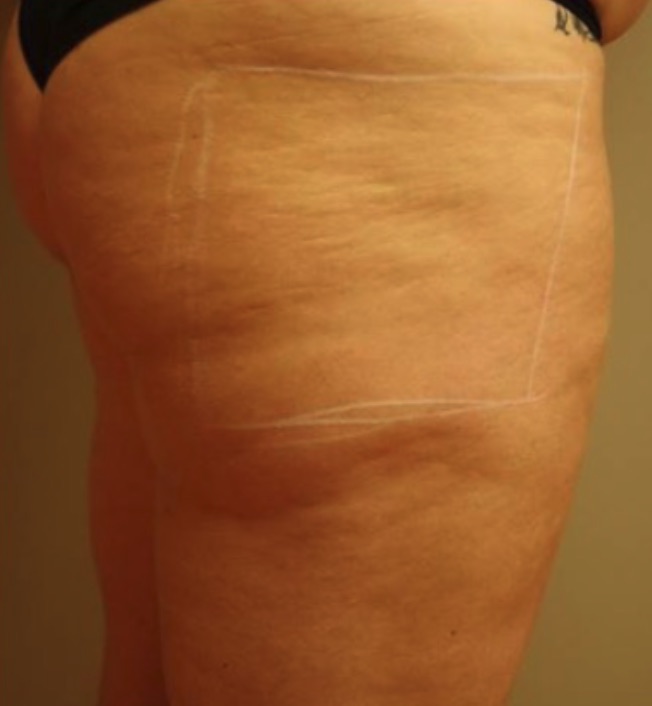
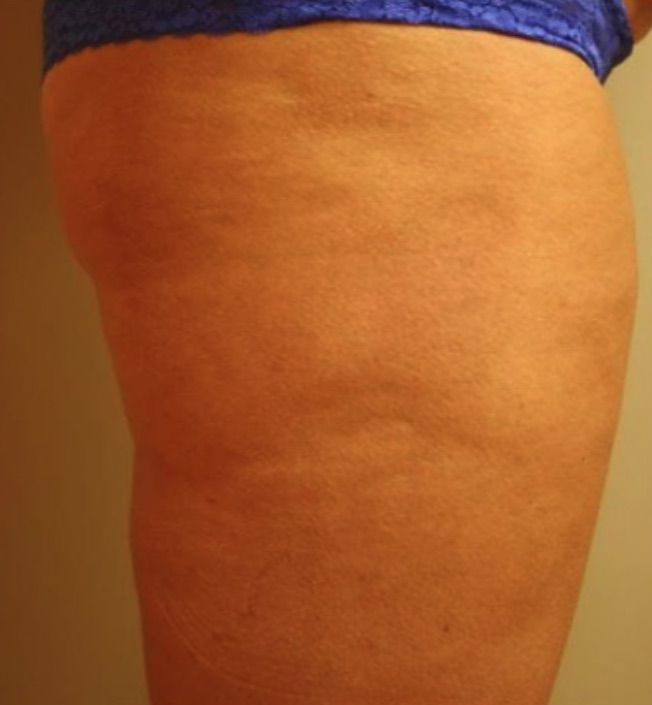
Courtesy of Andrew Campbell, MD.
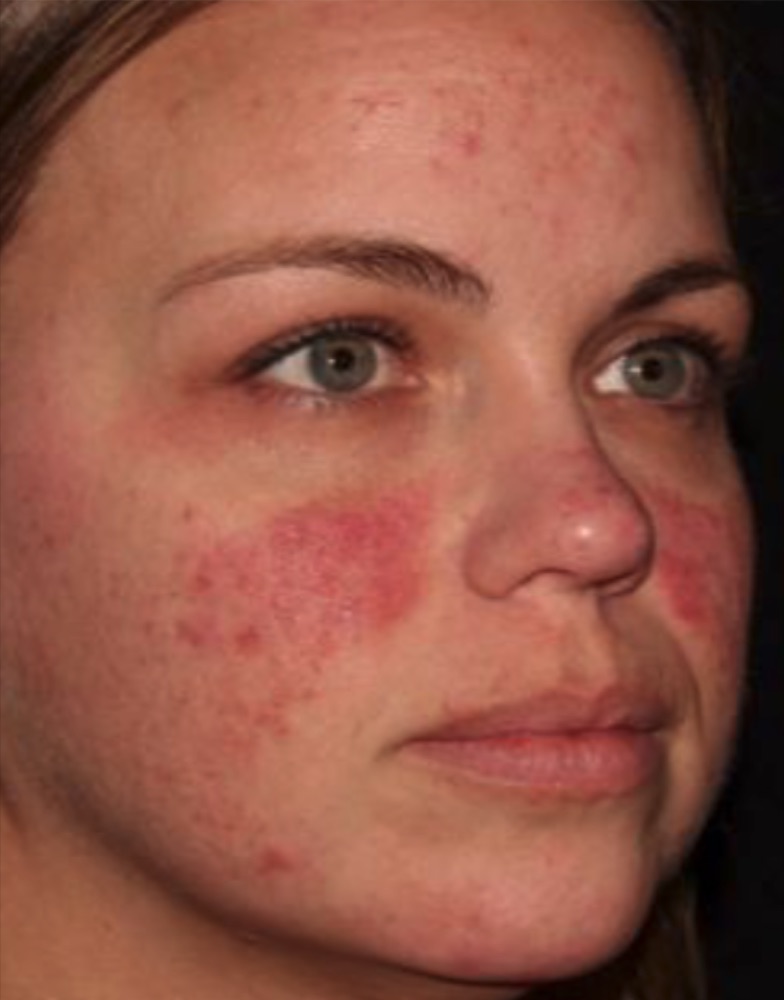
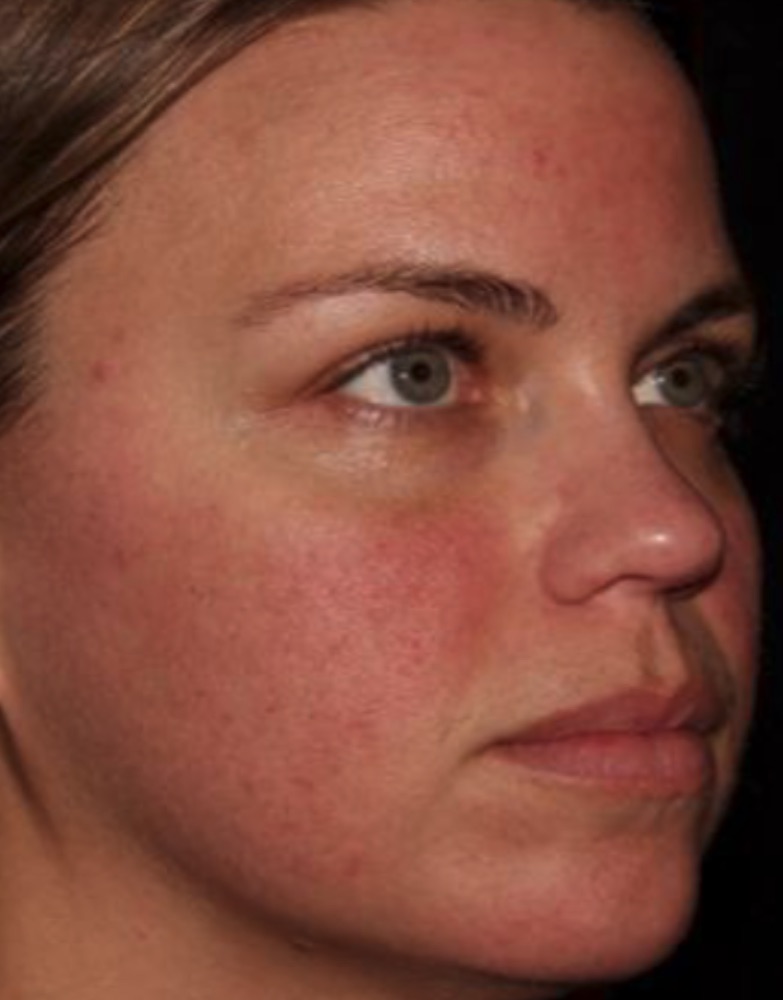
Courtesy of Diane Duncan, MD, FACS.
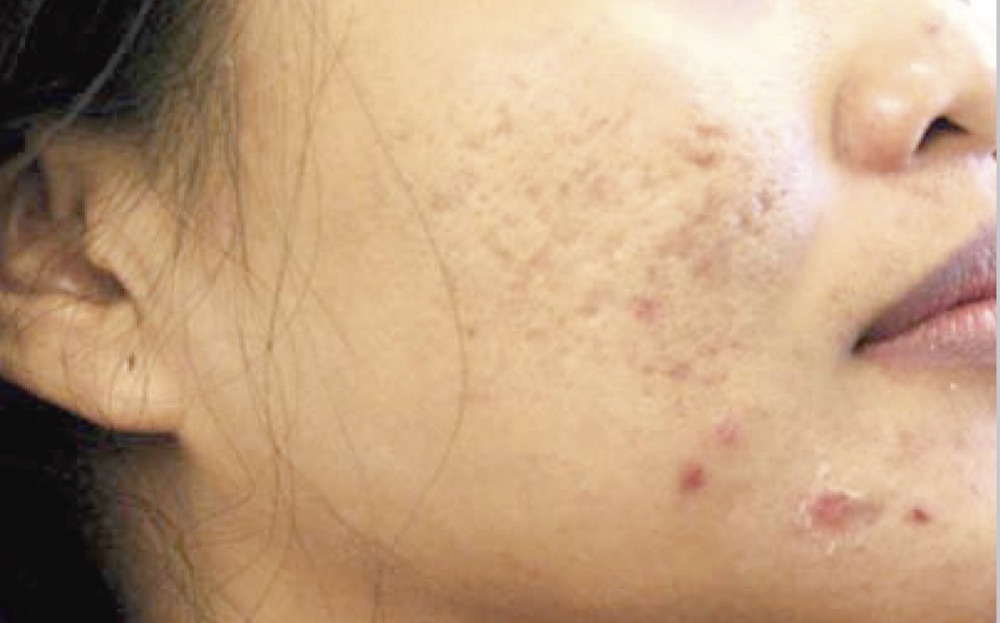
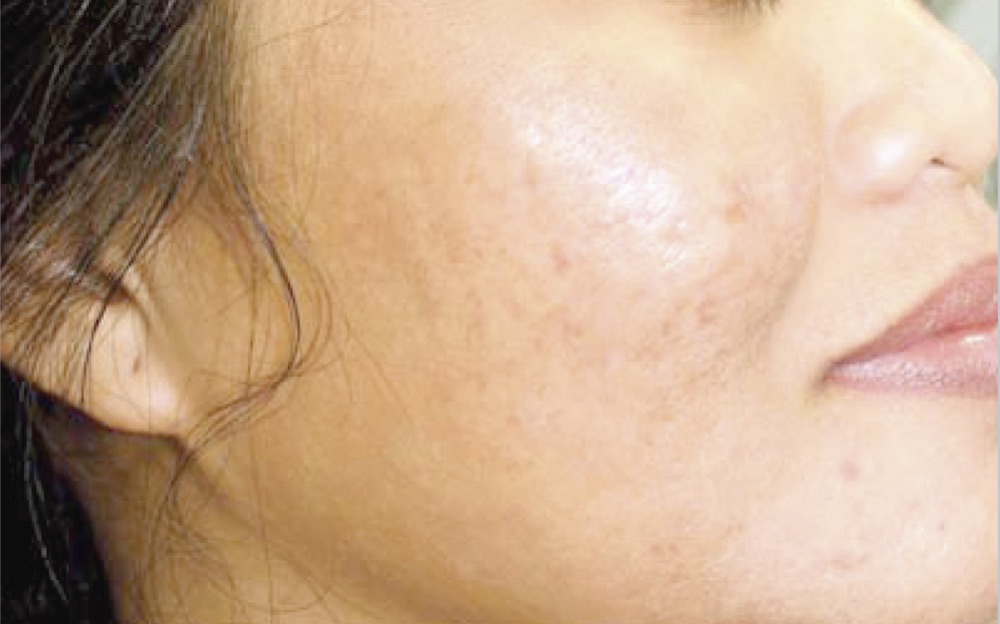
Courtesy of Todd Bessinger, MD, PhD.
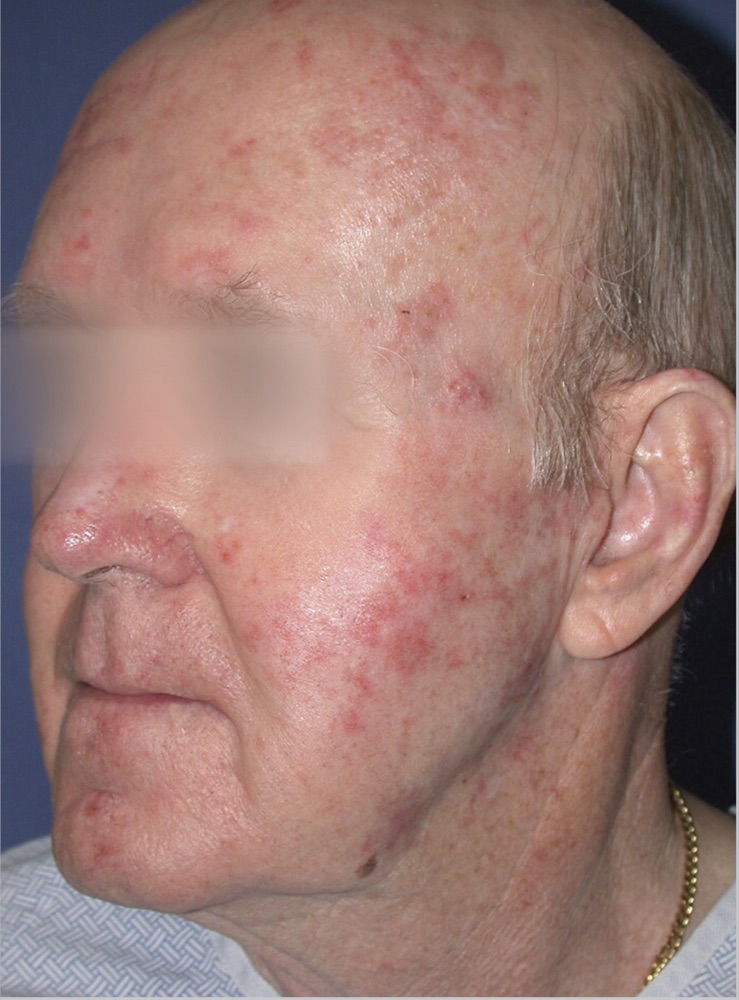
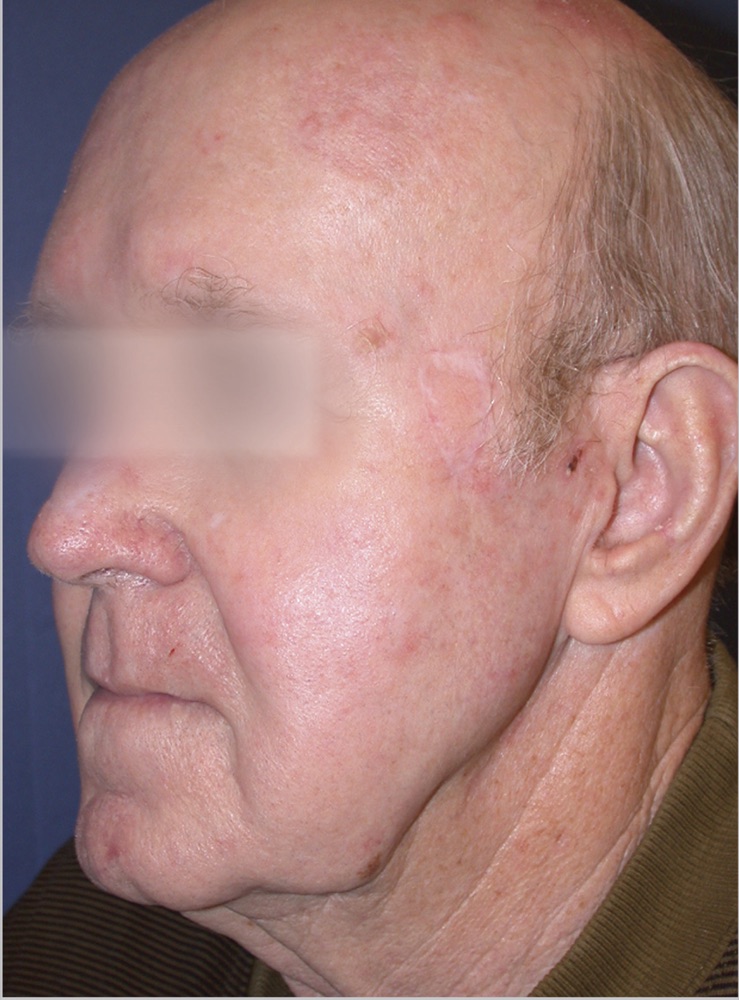
Courtesy of R. James Koch, MD.
Images published by Sciton. Individual results vary.
Frequently asked questions
Book a live demonstration
See it on your own patients. Leave with a price.
Tell us what your resurfacing consultations look like today — the concerns you take on, the ones you refer out, and whether you already run a JOULE. A UK specialist will bring the platform to your clinic and come back to you the same working day with a configuration, an indicative price and finance options.
Prefer to talk first?
+44 02033 181108